Japan travel · Phone guide
How to call a restaurant in Japan when you don't speak Japanese
You found the perfect place — and the only way to book is a phone call in Japanese. Here is what to say, what to prepare, and what to do when the restaurant asks for a Japanese phone number.
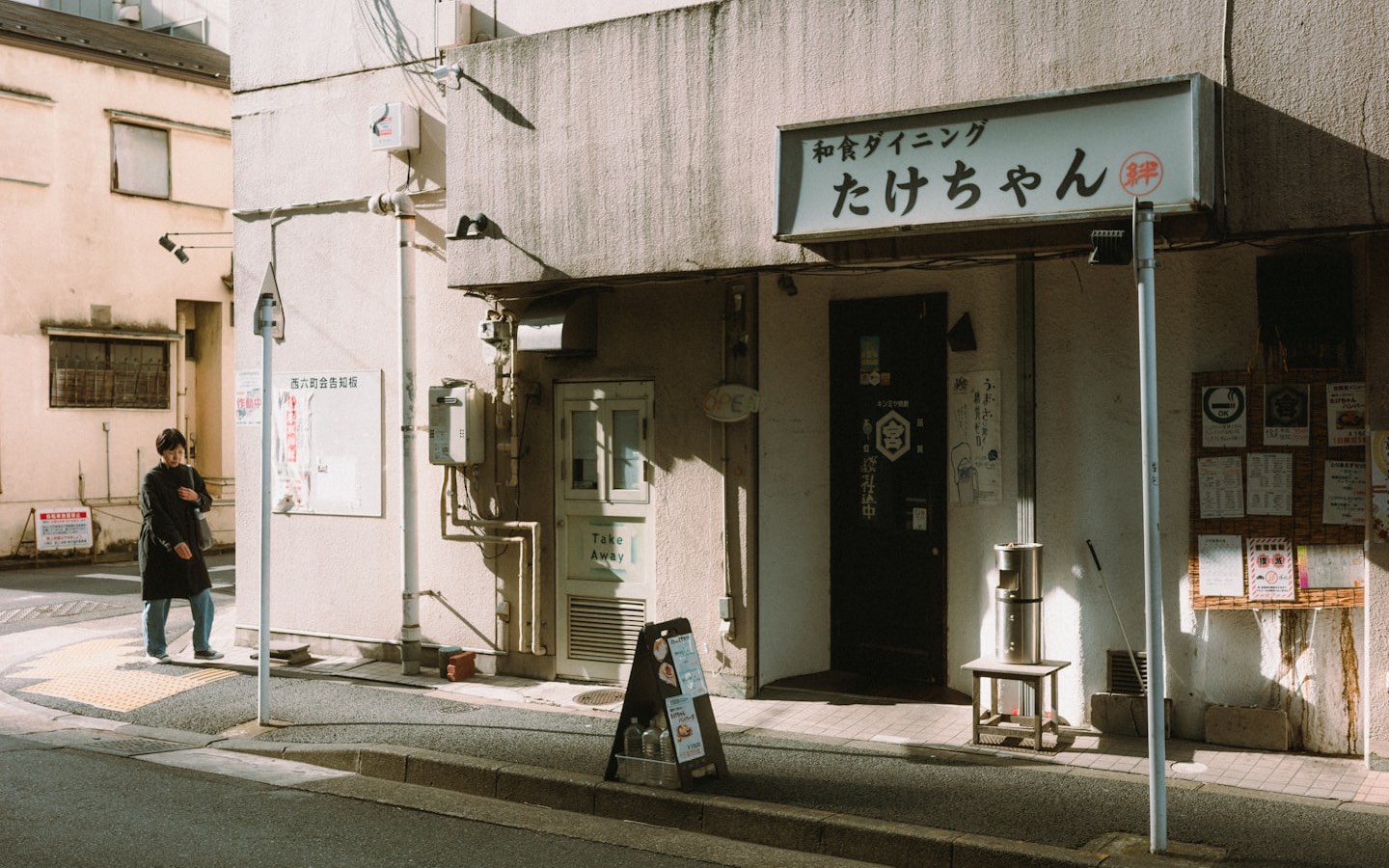
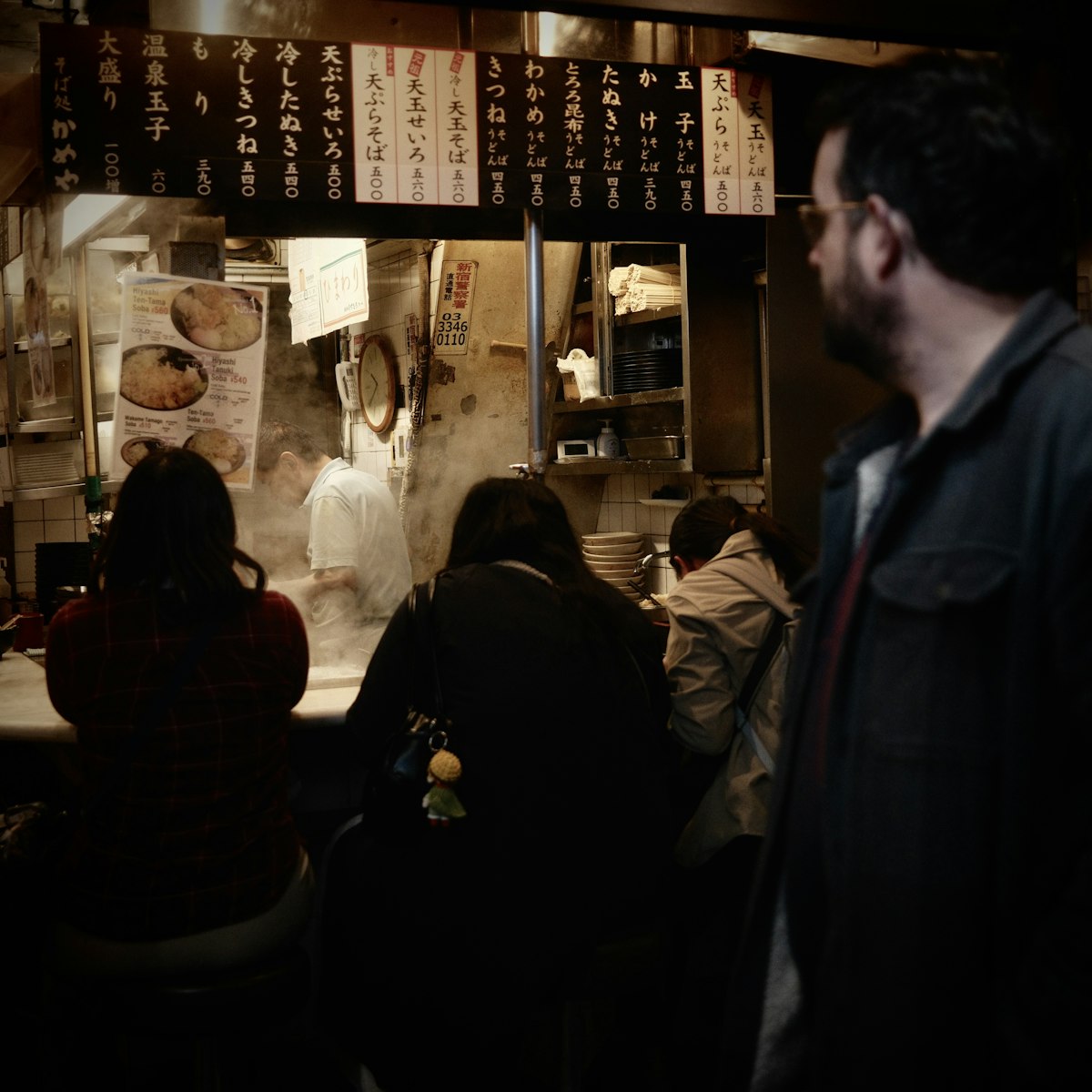
Some of the best meals in Japan hide behind a phone number. The tiny sushi counter, the eight-seat izakaya, the soba place a local swears by — many of them have no English booking page, no international-friendly reservation flow, and no reason to wait while you paste phrases into a translation app. The table you want often comes down to one live call.
That call has two separate walls. First, the conversation is in Japanese. Second, the restaurant may want a reliable callback number, and some booking platforms expect a Japanese phone number. People pay hotel concierges, credit-card concierges, and reservation services to get past those walls. If you want to try yourself, start here.
The honest map
Yovoca is for the live conversation wall: you speak your language, the restaurant hears Japanese, and you hear the reply back. A Japanese callback line is a separate capability we are working toward; until it is live, do not assume any tool can magically satisfy restaurants or platforms that strictly require a local Japanese mobile number.
When you'll actually need to phone
- The restaurant takes phone reservations only — no site, or an online system that needs a Japanese number.
- You need to confirm or change the party size, date, or time.
- You have an allergy or dietary need to flag before you arrive.
- You're running late — Japanese restaurants hold tables tightly, and silence is worse than a heads-up.
- You need to cancel — no-shows are taken seriously, and some places now charge for them.
Before you call
Have the details in front of you. The call gets much easier when you are not searching for names and dates while someone waits on the line.
Date and time
Use the 24-hour clock if possible. Say the day, then the time, then the party size.
Name to reserve under
Use a simple spelling if your name is hard to hear. A hotel name can help when appropriate.
Callback plan
If they ask for a phone number, know whether you can give your hotel, your international number, or ask for another contact method.
Allergies and constraints
Write the Japanese phrase before the call. Do not improvise allergies on a bad connection.
A simple call flow
- Open politely and say you want to make a reservation.
- Give date, time, and number of people.
- Answer the callback-number question honestly.
- Confirm the reservation name, time, and any cancellation rule.
- Call back early if you need to cancel or will be late.
What to say — phrases that work
Open politely, give the date, time and headcount, then handle specifics. They may ask for a Japanese phone number or your hotel name — have those ready.
Why the allergy phrase names two categories
"Shellfish" is not one word in Japanese. English lumps two separate groups together: crustaceans — shrimp and crab — are 甲殻類 (kōkakurui), while molluscs — clams, oysters, scallops — are 貝類 (kairui). Say only 甲殻類 and you have told the restaurant nothing about clams, which is why the phrase above says both. For anything else, put the actual ingredient in the fill-in-the-blank line: えび (ebi, shrimp), かに (kani, crab), 貝 (kai, clam), そば (soba, buckwheat), 卵 (tamago, egg), 乳 (nyū, dairy), 落花生 (rakkasei, peanut). Write it down before you dial — a bad line is the worst place to improvise.
Translation can get things wrong, whoever does it. For a severe allergy, a medication, or anything with a medical consequence, don't let a translated phone call be the only place it was said: confirm it in person when you arrive, show it in writing, or use a professional interpreter.
One etiquette note: if your plans change, call to cancel as early as you can. At a small counter, a no-show is a real loss — and increasingly, a charged one.
If they ask for a Japanese phone number
This is the part many visitors underestimate. A restaurant may want a number they can call back if the seating changes, you are late, or they need to confirm. Some online reservation flows also require a Japanese mobile number for SMS or account verification. For the full picture across the whole trip, see the Japanese phone-number wall — what works without a local number, and what quietly fails.
Your hotel or concierge
If you are staying at a hotel, ask before using their number. A concierge may also place the reservation for you.
Your international number
Some restaurants will accept it once you explain. Others will not call international numbers back.
Reservation platforms
Try Pocket Concierge, OMAKASE, byFood, TableCheck, Gurunavi, Hot Pepper, or the restaurant's Instagram/LINE if listed.
SMS verification
If a platform requires Japanese SMS, do not promise yourself a workaround. That is a different problem from live phone translation.
What Yovoca is building for this
Early access starts with live translated restaurant calls, so you can handle the conversation yourself. A shared Japan callback line is the next milestone we are exploring: one compliant Japanese line that can receive restaurant callbacks and route them back to the right traveler. It is not the same as giving every user a Japanese mobile number, and we will not market it as one until the capability is live and compliant.
The faster way
Join early access for live restaurant calls.
When the eight-seat counter takes bookings by phone and nothing else, this is the call Yovoca is built for. You ask for the table, name the date and headcount, flag the shellfish allergy — crustaceans and mollusks, in English — and the restaurant hears it in natural Japanese, with their reply coming back to you on the same line. Join the waitlist to reserve your founding line and we'll tell you the moment translated restaurant calls open.
One email when your line is ready. No spam. By joining, you agree to the Terms and Privacy Policy.
Frequently asked
Why do good Japanese restaurants only take phone reservations?
Many are tiny, owner-run counters where timing and seating are managed by hand. They often skip online systems entirely, and prefer the certainty of a spoken booking. Listing sites like Tabelog frequently require a Japanese phone number to reserve, which leaves visitors with the phone.
Can I book a Japanese restaurant without speaking Japanese?
Sometimes. A hotel concierge can call for you, and platforms like Pocket Concierge, OMAKASE, TableCheck, byFood, Gurunavi, or Hot Pepper cover selected restaurants. Beyond those, it usually comes down to a phone call, which is exactly the gap a live call translator fills.
Do I need a Japanese phone number to book?
Not always, but it can matter. Some restaurants accept an international number once you explain. Some prefer a hotel or local callback number. Some online systems require Japanese SMS verification, which live translation alone does not solve.
So can Yovoca get me the reservation at a phone-only restaurant?
It can carry the conversation: you make the request in your language and the restaurant hears it in Japanese, which clears the spoken half of a phone-only booking. What it does not do yet is hand you a Japanese phone number or pass SMS verification, so a place that strictly refuses any callback number but a local mobile is still a separate wall. A shared Japan callback line is a later milestone we are exploring, and we will not call it a personal Japanese number until it actually exists and is compliant.
Do popular Japanese restaurants take walk-ins?
Many of the best do not, especially for dinner or omakase — a reservation is essential, sometimes weeks ahead. Calling is often the only way to secure or confirm a seat.
What if I need to cancel?
Call as early as possible. No-shows are taken seriously at small restaurants and an increasing number charge a fee, so a quick cancellation call is both courteous and practical.