Japan travel · Phone guide
Do you need a Japanese phone number to book in Japan — and what to do without one
Restaurants, listing sites, hosts and rental desks in Japan keep asking for a local phone number. Here's why that wall exists, which workarounds actually hold up, which quietly fail (looking at you, eSIM SMS), and how to get through the call itself.
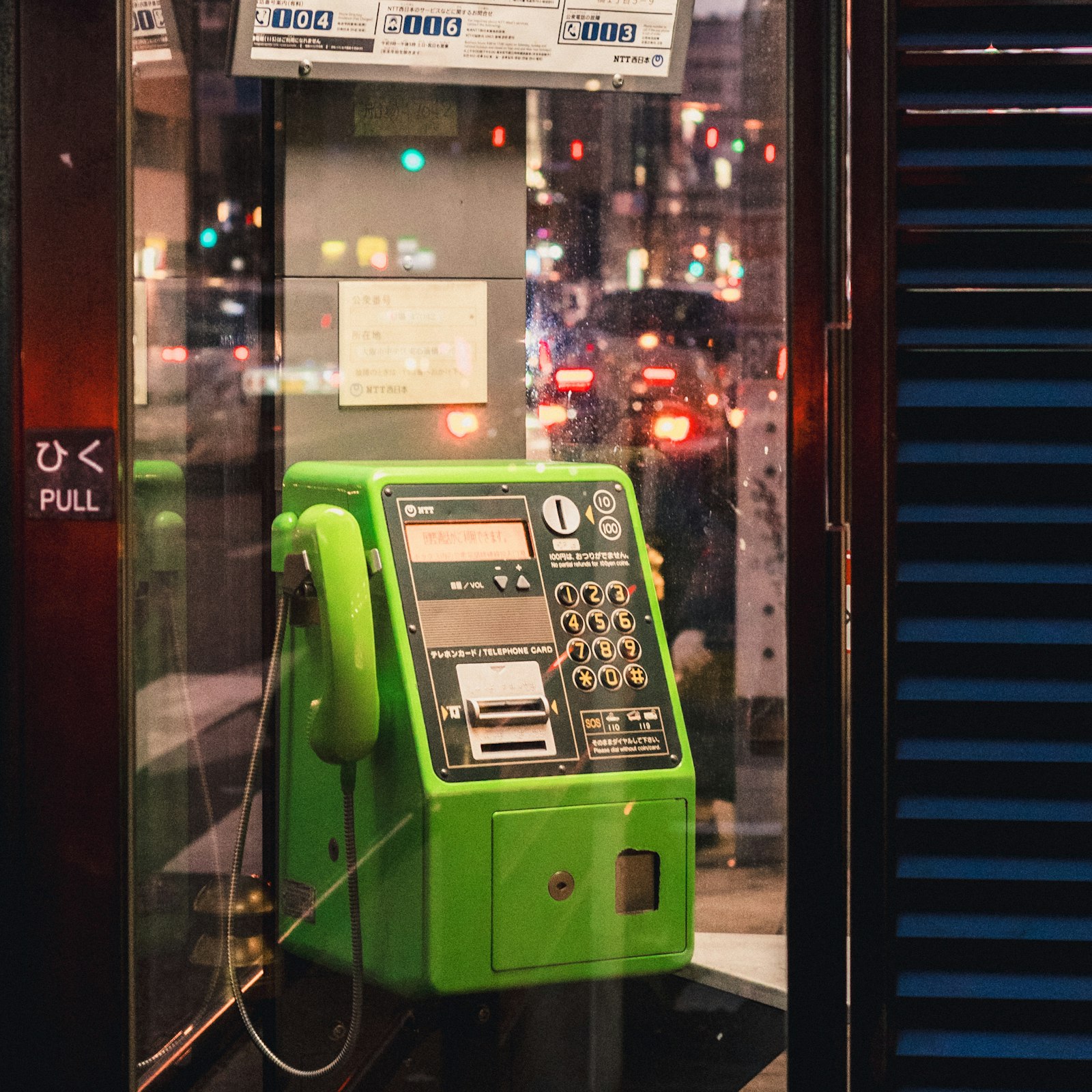
You've planned the trip, found the place, and then hit it: a box that wants a Japanese phone number, or a host who asks for one before confirming. It feels like an arbitrary gate — but it isn't, and understanding why it's there tells you exactly which workaround to reach for. The short version: a few options genuinely work, a couple seem to work and don't, and one whole category of "solutions" you should treat with suspicion.
The honest map
There are two different walls, and people confuse them. One is the conversation — the call is in Japanese. The other is the callback number — a business wants a number it can reach, and some platforms require a Japanese mobile for SMS verification. Yovoca is built for the first wall (live translated calls). The second is a separate capability we're working toward — so be wary of any tool that implies it can hand you a real Japanese mobile number today. Most can't, and pretending otherwise gets your booking cancelled, not confirmed.
Where the phone-number wall shows up
It's not just restaurants. The same gate appears across the trip, with different stakes each time:
- Restaurant reservations — phone-only counters, and listing sites like Tabelog that require a Japanese number to book.
- Accommodation — a host or front desk asking for a reachable number for check-in, or when the entry code fails.
- Rental cars — the branch calling to confirm the model, pickup window, or insurance, and wanting a callback line.
- Reservation & delivery platforms — account sign-up that demands a Japanese mobile for SMS verification.
- Clinics, salons, lost & found — anywhere a callback is the only way they can reach you.
Why Japanese businesses want a local number
It's rarely bureaucracy for its own sake. Four practical reasons stack up:
No-show protection
Tiny, owner-run places lose real money to empty seats. A reachable number is how they confirm you're coming and reach you if you're late.
Manual, by-hand booking
Many counters manage timing and seating by hand, with no online system. The phone is the system — and a number is how they call back.
Platform SMS verification
Tabelog, delivery apps and some booking flows verify accounts by texting a code to a Japanese mobile. International numbers often can't receive it.
Callback culture
If seating shifts or there's a question, the expectation is a quick call — not an email thread. A number they can actually dial is the default.
What actually works without a Japanese number
Ranked roughly by how reliably they hold up:
Hotel or concierge number
Ask before using it. A staffed hotel can take a callback for you — and a concierge may place the reservation outright.
English booking platforms
Pocket Concierge, OMAKASE, byFood and TableCheck take English reservations for selected restaurants — no Japanese number needed. (Local platforms like Tabelog, Gurunavi and Hot Pepper usually still require one.)
Your international number
Some businesses accept it once you explain; others won't dial an overseas number back. Always offer it, but have a backup.
eSIM / data-only Japan SIM
Most travel eSIMs are data-only — they give you internet, not a callable Japanese voice number, and frequently can't receive SMS verification codes. Read the fine print before relying on one for callbacks.
Faking SMS verification
If a platform strictly requires Japanese SMS, don't promise yourself a hack. That's a different problem from translating a call, and shortcuts here tend to backfire.
If they ask for your number on the call
When you're on the phone, a few honest lines handle the number question gracefully. (For the full restaurant call, see the restaurant phone guide.)
What Yovoca is building for this
Early access starts with the wall we can take down today: live translated calls. You speak your language, the business hears natural Japanese, and the reply comes back to you — over a normal call. The callback-number wall is the next milestone we're exploring: a shared Japanese line that can receive callbacks and route them to the right traveler. That is not the same as giving every user a personal Japanese mobile number, and we won't market it as one until it's live and compliant. No SMS-verification miracle is promised here — just the parts we can actually do well.
The faster way
Join early access — handle the call yourself, in your language.
When a place wants a number it can reach and the only way to explain "mine is an international one — is that okay?" is to say it in Japanese, that's the wall early access takes down first. Yovoca opens a live translated call so you can offer your number, name a hotel callback, or ask for email confirmation — in your own words, with the business hearing natural Japanese back. It won't issue you a Japanese mobile, but it gets you through the call where the number question actually comes up. Join the waitlist and reserve your founding line.
One email when your line is ready. No spam. By joining, you agree to the Terms and Privacy Policy.
Frequently asked
Do you need a Japanese phone number to book a restaurant in Japan?
Not always, but it often helps. Some restaurants accept an international number once you explain; some prefer a hotel or local callback number. Listing sites like Tabelog frequently require a Japanese number for SMS verification, which is why many visitors fall back to a concierge, an English booking platform, or a direct phone call.
Can I use an eSIM or data-only SIM as my Japanese number?
Usually not for callbacks. Most travel eSIMs are data-only — they give you internet, not a callable Japanese voice number, and often can't receive SMS verification codes. Check whether the plan includes a real Japanese voice/SMS number before relying on it.
Why does Tabelog ask for a Japanese phone number?
Tabelog and similar platforms verify accounts and reservations by texting a code to a Japanese mobile, and restaurants want a number they can call back. International numbers frequently can't receive the SMS, so visitors often book through English-friendly platforms or by phone instead.
Will an international number work for a Japanese reservation?
Sometimes. A business may accept it once you explain that you're visiting; others won't dial an overseas number back. Offer it, but keep a hotel number or a booking platform as a backup.
Does Yovoca give me a Japanese phone number?
Not yet. Early access focuses on live translated calls so you can handle the conversation yourself. A shared Japanese callback line is planned as a later milestone if it can be operated compliantly — but Yovoca will not describe it as a personal Japanese mobile number.
What's the most reliable way through the number wall without a local SIM?
Work down the honest map: try an English platform if the place is listed, lean on a hotel or concierge to take the callback or book outright, and offer your international number while you have a hotel line ready as backup. Skip the eSIM-as-callback and the SMS workarounds — they're the options that quietly fail. When the place is phone-only and none of that applies, the call itself is the last gate, and that's the one Yovoca's translated calls are meant to get you through.