Japan travel · Booking tools
byFood vs AutoReserve vs calling yourself — which one actually fits your trip
Three different ways to book a table in Japan when you don't speak Japanese: a concierge platform, an AI that phones the restaurant for you, and translating the call yourself. They look like competitors — but they don't solve the same problem. Here's an honest map of which one fits which situation.
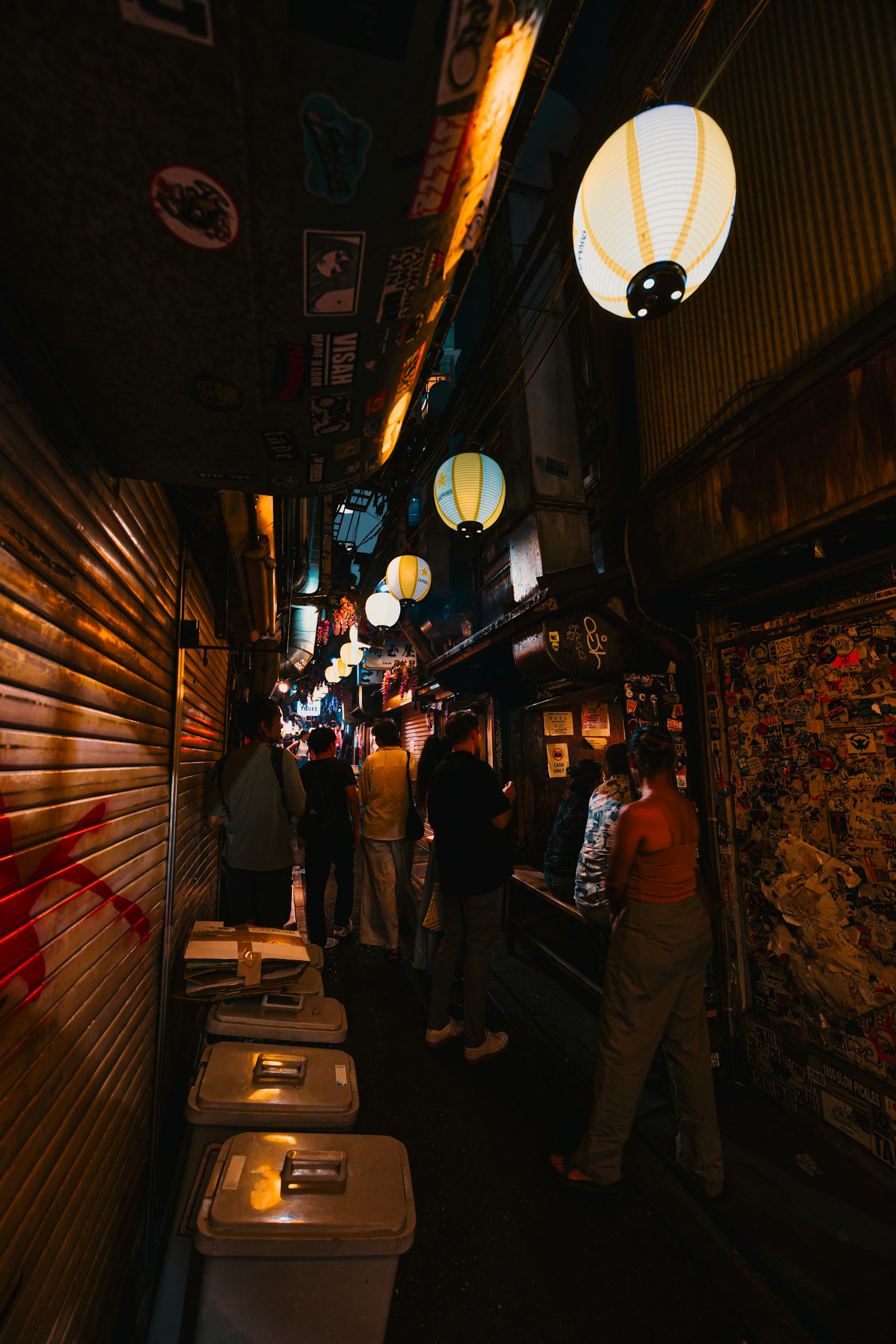
If you've tried to book a restaurant in Japan without Japanese, you've probably found one of these three tools — and quietly wondered which is the "right" one. The honest answer is that they aren't really alternatives to each other. One outsources the booking to a concierge, one outsources it to an AI, and one hands you the call with a live translator. Pick by what you're actually trying to do, not by which has the slickest app.
The honest map
byFood and AutoReserve book the restaurant for you. Yovoca helps you make the call yourself. That's the whole difference, and it decides everything else — what they can reach, how much control you have, and what happens when something's off. Two of them solve "book a table." The third solves "have the conversation" — and booking a table is just one kind of conversation.
At a glance
| byFood | AutoReserve | Yovoca | |
|---|---|---|---|
| Who makes the call | A concierge / the platform, for you | An AI calls for you | You call — with a live translator on the line |
| Are you in the call? | No — submit and wait | No — asynchronous | Yes — real-time, both ways |
| What it can reach | Mostly its own catalog (high-end lean) | Almost any phone-only restaurant | Any number — restaurant or not |
| Non-restaurant calls host, rental desk, clinic, lost & found | ✗ | ✗ | ✓ |
| Change it on the spot time, allergy, seating | Limited (async) | Limited (async) | ✓ — talk it through live |
| In your own voice | ✗ a third party | ✗ synthetic AI voice | ✓ your cloned voice (planned) |
| Cost | Free tier + ~¥2,000/person concierge fee | Often free — but some bookings carry a fee that varies by restaurant and party size | Early access — prepaid / trip packs |
| Available today | ✓ shipping | ✓ shipping | Early access — join the list |
| Best for | High-end, hands-off, planned ahead | Free, high-volume, phone-only spots | Any call — when you want to be the one talking |
What each one actually does
byFood — an English concierge platform
byFood is a one-stop site for foreign food travelers: find a restaurant, have byFood arrange the booking, and add food tours or cooking classes. No Japanese needed on your side.
It books for you
For some restaurants the system places the reservation in Japanese on your behalf; for others a human concierge arranges it. You submit a request and wait for confirmation by email.
Mostly its own list
Its catalog runs to well over a thousand restaurants, with a strong lean toward high-end and Michelin-starred (figures per byFood's own site). Places outside the list go through a VIP concierge request — which byFood says it can't always fulfil.
Free tier + service fee
Some bookings are free; the high-end concierge route carries a service fee in the region of ¥2,000 per person, on top of the meal, refunded if the restaurant declines (per byFood's site).
High-end, hands-off
You want a Michelin or special-occasion table, you're planning weeks ahead, and you'd happily pay a fee to have a real person handle it.
AutoReserve — an AI that calls for you
AutoReserve is a reservation app built on the fact that many Japanese restaurants only take phone bookings. Its AI places that call so you never have to pick up the phone.
AI phones the restaurant
You submit a request in the app; an AI calls the restaurant in the local language. Submit after hours and it retries when they open; set a backup restaurant and it tries the next if the first is full.
Almost any restaurant
Because the AI just dials, it isn't limited to a partner list — it reaches phone-only places too, across millions of restaurants in Japan and other countries (figures per AutoReserve's site).
Free for many bookings, not all
No subscription — but AutoReserve's own help centre says some reservation types do carry a fee, and that the amount varies by restaurant and by number of people. It says the fee is shown before you confirm, and charged only if the request actually succeeds. Separately, where a restaurant has a cancellation policy it may pre-authorize that amount on your card and charge it only if you cancel.
Volume, zero fee
You want to book ordinary phone-only restaurants at no cost, and you'd rather not make the call yourself.
Where both hit the same wall
byFood and AutoReserve are genuinely useful — but they share the same shape, and that shape has edges:
- They only do restaurants. A host who needs to give you a door code, a rental desk confirming your car, a clinic, a lost-and-found counter — none of that is a table to book.
- They're asynchronous. You submit, then wait. You're not in the conversation, so anything that needs back-and-forth — "could we do 7 instead of 8," "is the counter okay," "we're running ten minutes late" — doesn't happen in real time.
- They depend on the booking actually landing. byFood is candid that some places "aren't on byFood, or any online channel." And because a middle layer is doing the booking, it can quietly fail: AutoReserve's App Store reviews include travelers who received a confirmation and then found no reservation, or were told the restaurant doesn't work with the service. In June 2026, widespread reports and social discussion in Japan highlighted restaurants receiving repeated unsolicited AI calls from services that list them without consent; many owners expressed confusion and began publicly refusing or surcharging such bookings. That's the trade-off of handing the call to someone — or something — else.

What if it's not a restaurant — or not on any list?
This is the gap neither tool can cover, because it isn't a booking problem — it's a talking problem. The same trip throws up calls that have nothing to do with a table:
- A host or front desk when the entry code fails at midnight.
- A rental-car branch calling to confirm the model, pickup window, or insurance.
- A clinic, a salon, a station's lost-and-found, a parcel redelivery line.
- The eight-seat counter a local swears by that's on no platform at all.
For these, there's no one to outsource to. What you need is to be in the call yourself, able to hear, answer, and decide on the spot — just not blocked by the language.
What Yovoca is — and isn't
Yovoca is the third option: you make the call, with a live two-way translator on the line. You speak English; the other side hears natural Japanese, and their reply comes back to you — over an ordinary call, to any phone number, restaurant or not. You're billed by where you're calling, whether or not that place is in anyone's database.
To be straight about today's edges: Yovoca starts with the call itself. It does not hand you a personal Japanese phone number, and it doesn't promise to clear platform walls like Tabelog account SMS verification. If your problem is purely "this app needs a Japanese mobile to text a code," that's a different wall — and we say so rather than pretend otherwise.
Hear it live +1 (888) 885-5228 Say a sentence in English — hear it come back in Japanese, live on a real phone line. Free demo · about 2 minutes · no app, no signup · still in testing, may not connect from every countryThe third option
Make the call yourself — in your language.
byFood and AutoReserve hand the booking to someone else and email you the outcome. Yovoca is for the calls where you'd rather not — the counter that's on no list, the place where "could we do 7 instead of 8" decides everything, the moment you want to hear the answer yourself. You speak English; they hear natural Japanese, and the reply comes straight back to you. Join the waitlist and reserve your founding line.
One email when your line is ready. No spam. By joining, you agree to the Terms and Privacy Policy.
Which one fits you?
None of these is "the best." They fit different situations — sometimes on the same trip:
High-end & hands-off
A Michelin or special-occasion table, planned ahead, and you're happy to pay a per-person fee for a real person to handle it.
Free & high-volume
Ordinary phone-only restaurants, booked at no cost, when you'd rather an AI made the call — and you'll double-check the confirmation.
Anything, anyone, live
The place isn't on any platform, it isn't a restaurant at all, or you need to talk it through yourself — and you want to be the one on the call.
Frequently asked
byFood or AutoReserve — which is better for booking a Japanese restaurant?
Neither is universally better; they're built for different needs. byFood leans high-end and hands-off with a concierge and a per-person service fee on its premium route, while AutoReserve uses an AI to call almost any phone-only restaurant, often at no cost — though its help centre says some reservation types do carry a fee that varies by restaurant and party size. byFood suits Michelin and special occasions planned ahead; AutoReserve suits booking ordinary phone-only places.
Is AutoReserve reliable?
Many travelers report it successfully books phone-only restaurants they couldn't reach otherwise. Its App Store reviews also include reliability complaints — confirmations that didn't result in an actual reservation, or restaurants saying they don't work with the service. As with any tool that books on your behalf, it's worth confirming directly with the restaurant for anything important.
Is byFood free?
Some byFood bookings are free, while its high-end concierge service carries a service fee in the region of ¥2,000 per person, charged on top of the meal and refunded if the restaurant declines (per byFood's site). Whether a given restaurant is free or paid depends on how byFood handles that booking.
Can I book a Japanese restaurant without a Japanese phone number?
Often yes. byFood and AutoReserve both book on your behalf without requiring you to have a Japanese number. If you call a restaurant yourself, some accept an international or hotel number once you explain — see our guide on the Japanese phone-number wall.
Do these tools work for restaurants that only take phone reservations?
AutoReserve is built for exactly that — its AI calls phone-only places directly. byFood depends more on its own catalog and concierge. If a place is on no platform at all, the booking comes back to a phone call, which is where a live call translator like Yovoca fits.
Neither byFood nor AutoReserve covers the non-restaurant call I need to make — what then?
That's the seam between these tools and Yovoca. byFood and AutoReserve only book restaurants; a host with a door code, a rental desk confirming your car, a clinic or a lost-and-found counter is a live conversation, not a reservation to hand off. Yovoca puts you on that call yourself with two-way translation, to any number. What it doesn't do is give you a Japanese phone number or clear SMS-verification walls — if that's the real blocker, it's a different problem and we say so.
Sources checked on 2026-07-30: AutoReserve Help Centre — Are there any reservation fees? (some reservation types carry a fee; the amount varies by restaurant and number of people; shown before you confirm and charged only if the request succeeds). byFood’s concierge fee figure is from byFood’s own site and is not re-verified here.